Apna Meter Apni Reading: How App Is Preventing Overbilling in 2026
If you have ever opened your electricity bill and wondered why the units jumped for no reason, you are not alone. Overbilling, late meter readings, and estimated bills have frustrated consumers across Pakistan for years.
The federal government’s new “Apna Meter, Apni Reading” mobile app is designed to fix exactly this problem, and it is now rolling out to distribution companies including GEPCO.
This guide breaks down what the app actually does, how it works, and what it means for your monthly GEPCO bill.
What Is the Apna Meter, Apni Reading App?
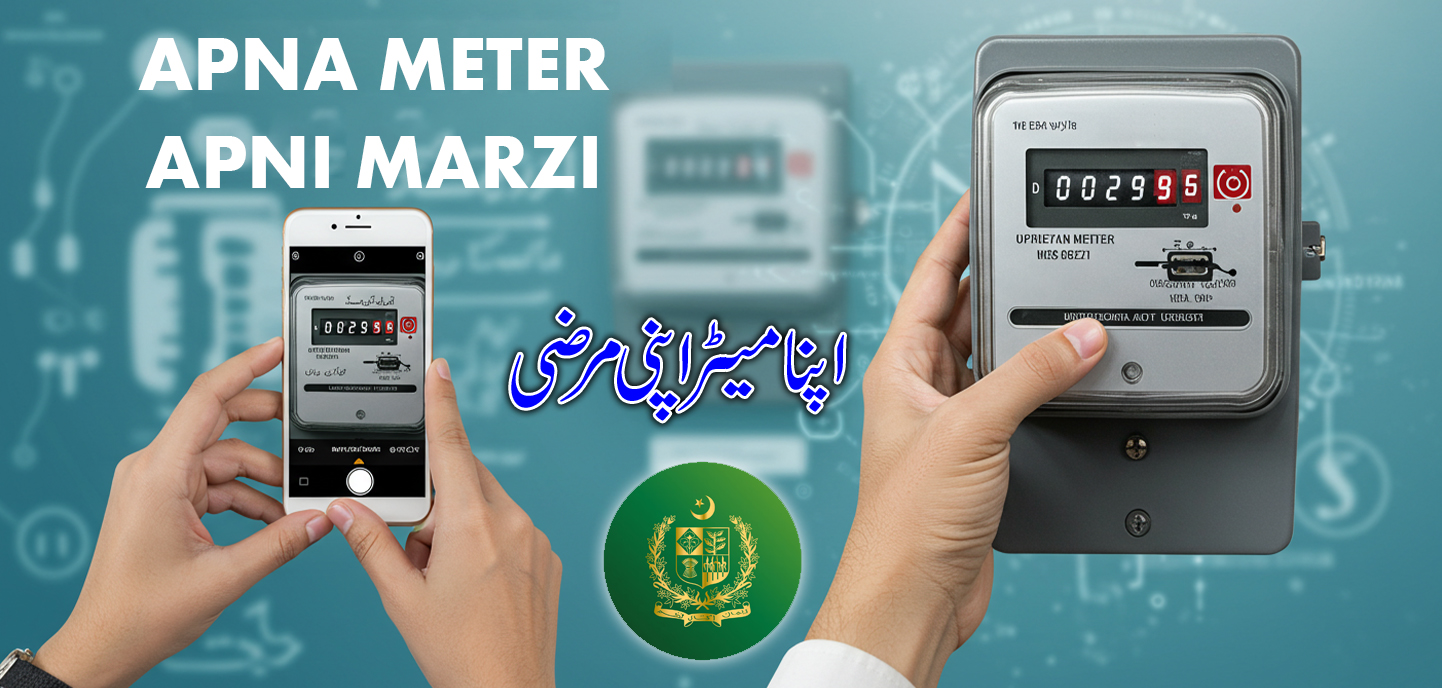
“Apna Meter, Apni Reading” (Urdu for “your meter, your reading”) is a self-metering initiative that lets consumers submit their own electricity meter reading directly through a mobile app, instead of relying solely on a field meter reader. The submitted photo and reading are used to generate the monthly bill, cutting out one of the biggest sources of billing errors: human mistakes during manual reading.
Prime Minister Shehbaz Sharif launched the initiative as part of a broader push to bring transparency and digital reform to Pakistan’s power sector, saying the old meter-reading system had become unreliable and needed a more accountable replacement.
Why Overbilling Happens in the First Place
Before this app, most overbilling complaints traced back to one of three causes:
- A meter reader visiting late or skipping a reading, resulting in an inflated estimated bill
- Reading errors when digits are misread or entered incorrectly
- Units being averaged out over two or three billing cycles instead of read accurately each month
Each month, millions of consumers ended up disputing bills for exactly these reasons. The self-reading app targets this at the source, by putting the reading process in the consumer’s own hands.
How the App Works: Step by Step
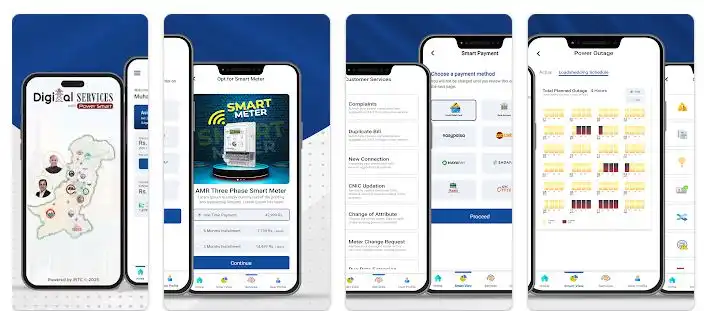
- On a fixed date each month, open the app and photograph your meter display clearly, making sure all digits are visible.
- Upload the photo through the app before the deadline.
- If your reading is submitted on time, it is accepted, and the field meter reader’s reading is not used for that cycle.
- The system uses your submitted reading to automatically generate your monthly bill.
- Built-in checks are designed to catch errors, flag mismatches, and reduce the chances of both overbilling and underbilling caused by manual entry.
This is very similar in spirit to a bill estimate calculator: both let you work out your usage and expected charges before the official bill lands, so there are no surprises.
Why This Matters for Subsidy Users
The app is particularly important for consumers close to the subsidy threshold. Under the current slab structure, a household using up to 200 units pays roughly Rs. 2,330. Cross that line by even a single unit, and the subsidy is lost entirely, pushing the bill up to around Rs. 8,104.
Because the self-reading window lets consumers check and submit their actual usage on time, it becomes much easier to stay aware of where you stand in the slab and avoid an accidental jump into a much higher bracket. If you want to double-check where your usage falls before the bill arrives, our GEPCO tariff and unit rate breakdown explains how the slab system is structured.
PTV Fee Removed From Electricity Bills
Alongside the app’s launch, the government also announced the removal of the PTV licence fee from electricity bills. Previously, more than 40 million consumers were charged Rs. 35 per month for this fee, adding up to roughly Rs. 1.5 billion collected monthly across the country. This relief applies across domestic, commercial, and industrial connections, and should show up as a small but noticeable reduction on upcoming bills.
A Genuine Shift in How Billing Works
According to the Ministry of Energy, this is not just a new app feature but a change in how billing accountability works. Instead of simply receiving a bill each month, the consumer becomes part of the process that generates it. That shift, from passive recipient to active participant, is what officials are describing as the real reform here, more than the app itself.
What to Do If Your Reading Doesn’t Match Your Bill
Even with self-reading in place, mismatches can still happen, especially in the early rollout period. If your submitted reading does not match what shows up on your bill:
- Keep the photo and timestamp of your submission as proof
- Compare the units billed against your own reading before assuming it’s an app error
- If the numbers genuinely don’t match, raise it through your distribution company’s official complaint channel rather than waiting for the next cycle to sort itself out. Our GEPCO complaint and helpline guide covers the fastest way to get a billing dispute logged.
Frequently Asked Questions
Is Apna Meter, Apni Reading available for GEPCO consumers? The initiative is being rolled out across WAPDA distribution companies, including GEPCO, as part of the nationwide digital billing reform. Availability and the exact submission window can vary slightly by area during rollout.
What happens if I miss the reading submission date? If you miss the fixed window, the field meter reader’s reading is used instead for that billing cycle, as under the previous system.
Does self-reading replace the meter reader completely? Not entirely. The field reading process still exists as a backup and cross-check; the app simply gives your own submitted reading priority when it’s submitted on time.
Will this stop overbilling completely? It removes one of the biggest causes, manual reading and estimation errors, but consumers should still check their bill against their own usage each month.
The Bigger Picture
“Apna Meter, Apni Reading” is a small habit change with a real financial payoff: a few minutes each month spent photographing your meter can mean the difference between a fair bill and an inflated one, and for many households, the difference between keeping or losing a subsidy. Combined with the removal of the PTV fee, this rollout is one of the more consumer-facing reforms Pakistan’s power sector has seen in recent years.
For your own bill, the fastest way to stay ahead of any surprises is to check your current GEPCO bill online regularly and compare it against your own meter reading each month.